
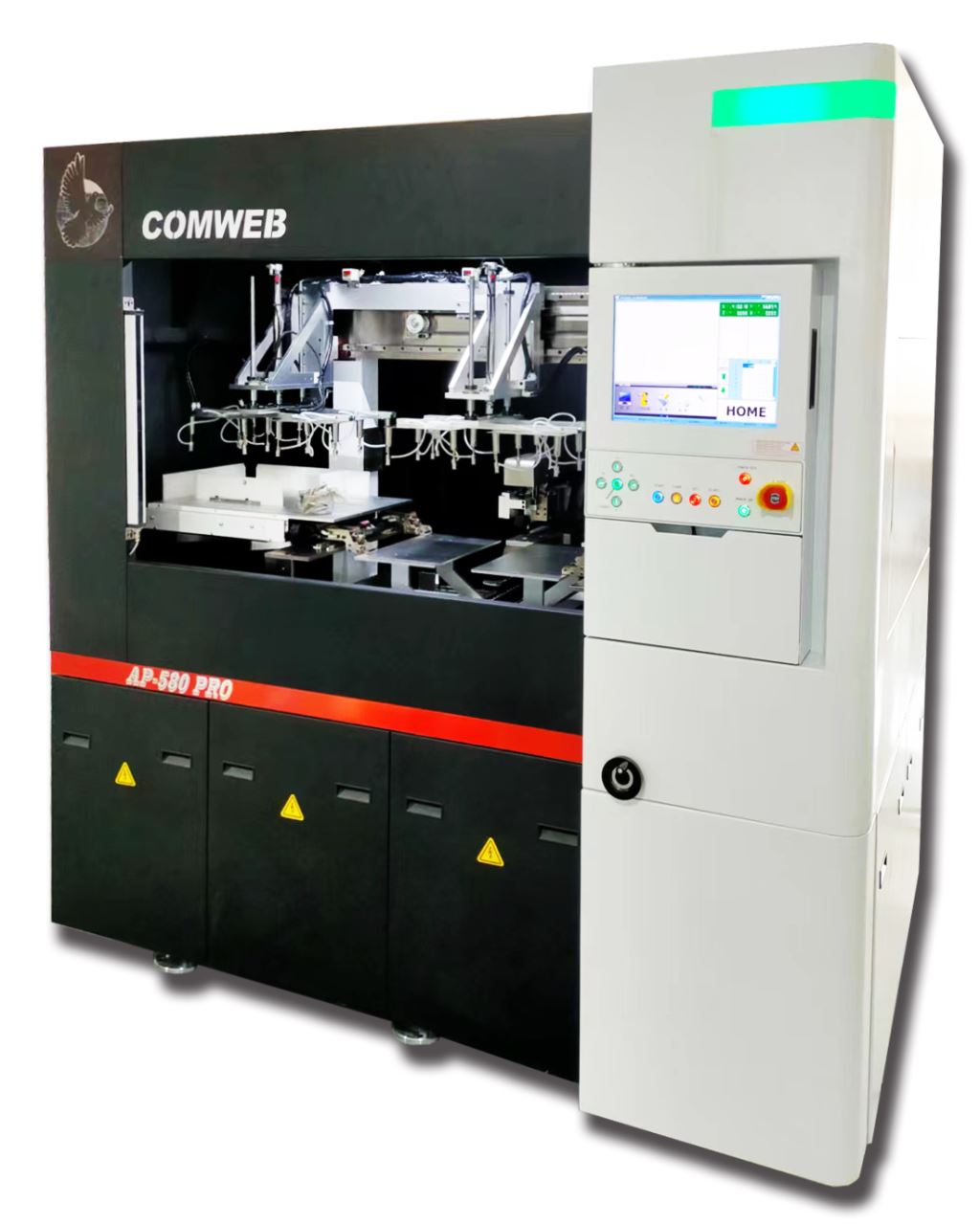
A machine name alone does not determine suitability. Imaging conditions, material movement, machine architecture and measurable acceptance standards must be reviewed together.
1. Material and surface
Provide the material, thickness, dimensions, colour, reflectivity and stiffness. Transparent, mirror-like, translucent and multi-colour printed surfaces affect lighting and optics.
2. Sheet or continuous web
Sheet handling must address stacking, separation, vacuum, warpage, loading and unloading. Roll material also requires coordinated unwind, tension, flattening, edge control and rewind.
3. Registration feature
Provide unprocessed workpiece images and the original drawing. Identify whether the system should locate a hole, cross, edge, gold finger or another feature, including nearby visual interference.
4. Tolerance and measurement
Define the reference behind the tolerance, the measuring instrument, sampling method and environment. Without a measurable standard, machine acceptance cannot be consistent.
5. Hole size, count and path
Hole diameter, number and distribution affect tooling, punching force, travel path and cycle time. A CAD file or marked drawing is preferred.
6. Output and automation level
Describe input volume, target output and changeover frequency per shift. Then compare manual loading, stacked automatic handling and roll-to-roll processing.
7. Acceptance samples
Samples should cover normal batch variation, with an agreed test quantity. Catalog values are measured under stated conditions and must be confirmed with the actual material.
Frequently asked questions
Can evaluation begin with samples before the specification is complete?
Yes. A preliminary review can begin, but tolerance, cycle time and acceptance methods still need to be defined before production suitability is confirmed.
Can catalog punching speed be used directly as line output?
No. Hole count, spacing, travel path, loading, unloading and changeovers must be included in a full-cycle estimate.
References
This guide supports preliminary review and does not replace testing with the actual workpiece. Final equipment specifications are defined by the quotation and project documents.